Social Work Leadership
You Don’t Need to Recover From
Leadership Advisor and Researcher for Social Workers and their Employers.
Support for aspiring and early-career social work leaders navigating the transition from practitioner to leader.
Churchill Fellow | 35 years of experience
Social workers don’t leave the profession because they lack resilience or commitment. They leave when the conditions around them make it impossible to remain themselves.
This work exists to help you hold onto who you are, and build a career you don’t need to recover from.
Churchill Fellowship Public Webinar: The Alignment Gap
What allows social workers to remain themselves as they step into leadership—and what happens when the conditions around them make that impossible?
Join Jody Bell, Social Work Leadership Advisor and 2025 Churchill Fellow, for a free public webinar presenting findings from research across nine countries.
The session will explore what organisations, professional bodies and leaders can do differently to develop and retain the people our profession depends upon.
One-hour presentation followed by a live Q&A. The recording will be made publicly available after the event.

You came here looking for leadership skills. What you actually need is something harder to Google.
Does this sound familiar…
One leader described her transition as a cyclone. Another said she was faking it till it catches up. A third said the only thing keeping her steady was reminding herself this is not my chaos.
“I was good at the work. Then I got asked to backfill my leader at short notice. I'm not sure how to manage moving from peer to leader when some of my peers are my friends.”
“I can't tell my team I'm drowning. So I just keep going.”
“I got into this to make a difference. Somewhere in the last six months I've stopped being sure I am.”

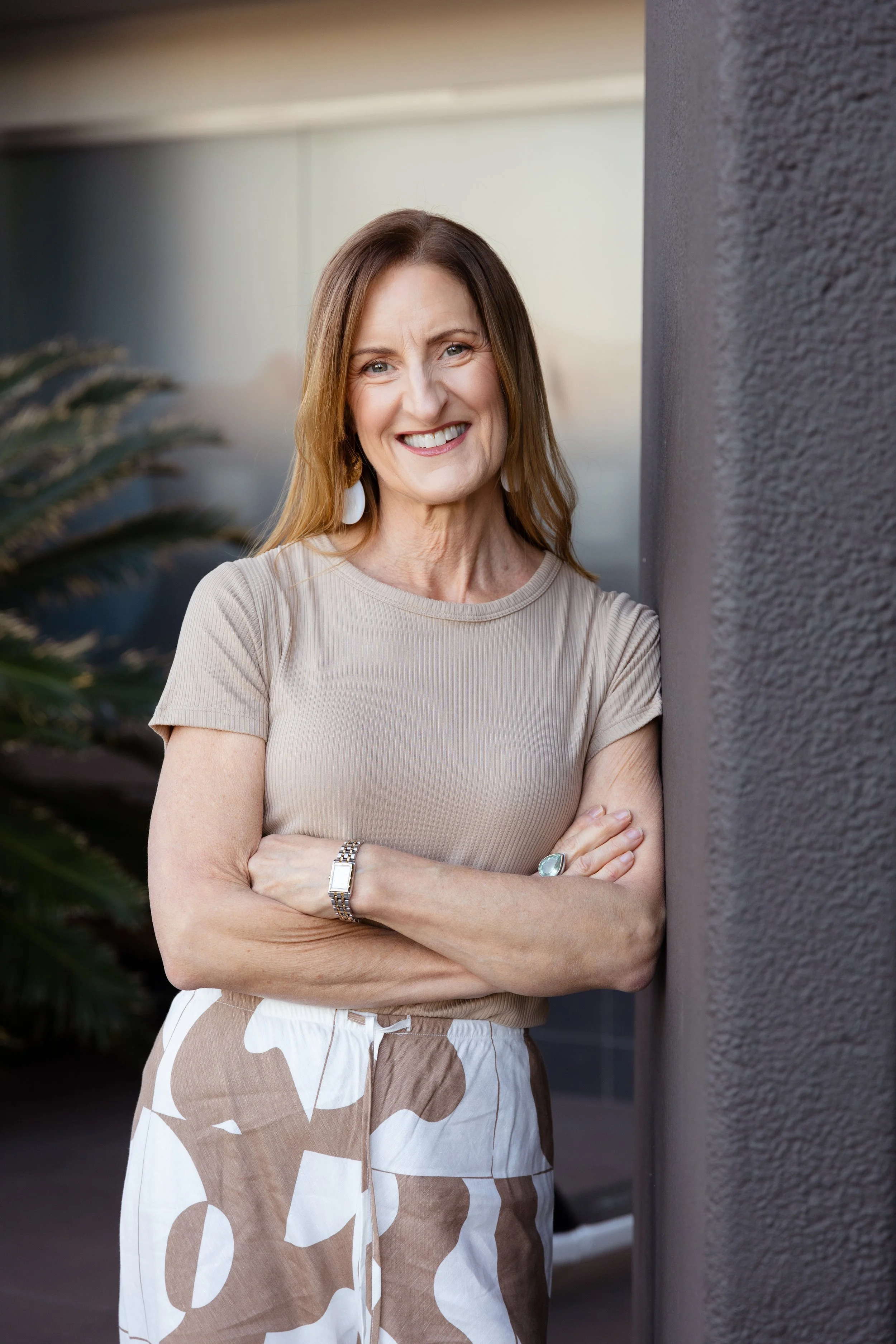
Hi, I’m Jody
I’ve spent 35 years working at the intersection of social work and organisational leadership, as a frontline worker, team leader, academic, senior executive and a leadership and wellbeing advisor. I know what it feels like when the role starts to cost you more than it gives. I also know what becomes possible when a leader stops performing and starts being human.
I am a Churchill Fellow who just completed research across nine countries about what the world’s best leadership conditions look like for social workers. This research shapes what I do here.
This work is not about managing your wellbeing better. It is about building a career you don’t need to recover from.
The Problem for Employers
You already know your best people are leaving. What you may not have had time to examine is exactly when they leave, and why.
The evidence from leadership research is consistent: the transition into a new leadership role is the highest-risk period. For social work leaders, who navigate identity shift, values and ethical tensions and peer relationships simultaneously, the early months are when support is lowest and risk is highest.
Workforce research consistently estimates that replacing a mid-career professional costs between 1 and 1.5 times their annual salary. For skilled, hard-to-fill roles in the community sector, the true figure is likely higher.
Most organisations respond by recruiting harder. The evidence points elsewhere.
Across a sector where social workers are nationally listed among the top 20 occupations in demand, and where demand is projected to grow by more than 23% over the next decade, the workforce challenge is structural and long term.
Solving it with a recruitment strategy is not working.
What the Evidence Points To
Social workers do not leave because they lack commitment or resilience. The research is clear on this.
They leave when the conditions around them make it impossible to remain themselves.
The transition into leadership, without the right support, is one of the most destabilising moments in a social work career.
My Churchill Fellowship research is drawing on evidence from across nine countries and is exploring exactly what conditions change that outcome.
If your organisation is caught in this cycle, I would welcome a conversation about what the research is showing.
And if your organisation is doing exemplary work on retention, leadership development or succession planning, I would love to hear from you too. The research needs those stories just as much.
Free Resources For Social Work Leaders
Frequently Asked Questions
-
A social work leadership advisor supports practitioners as they step into or grow within leadership roles. This includes developing leadership identity, improving decision-making, navigating team dynamics, and building confidence in how you lead. The focus is practical, reflective, and grounded in real-world experience.
-
This work is for aspiring and early-career social work leaders, particularly those moving from practitioner to manager or team leader. It’s also relevant for allied health and community services professionals who want to lead in a way that feels sustainable and aligned with who they are.
-
Supervision often focuses on casework, accountability, and organisational requirements. Leadership advisory focuses on you, how you think, how you lead, and how you develop over time. It creates space to step back, reflect, and make more intentional decisions about your leadership.
-
Leadership identity is your understanding of who you are as a leader, your values, your approach, and how you show up. Without it, leadership can feel reactive or performative. With it, you lead more clearly, make better decisions, and are more likely to stay in the role long-term.
-
Yes. Many social work leaders leave roles due to pressure, misalignment, or lack of support. This work helps you make sense of what’s happening, reconnect with your values, and find a way of leading that is more sustainable and realistic.
-
The best place to start is by booking a free advisory session. This gives you space to talk through where you are, what you’re navigating, and whether this approach feels like the right fit.
Acknowledgement of Country
This work was created on the unceded lands of the Turrbal and Jagera peoples, in what is now known as Brisbane, Australia, also called Meeanjin. I pay deep respect to Elders past, present and emerging, and honour the enduring leadership, wisdom and resilience of Aboriginal and Torres Strait Islander peoples.
As a social work leader, I acknowledge that all leadership begins with listening, and that truth-telling, cultural humility and a commitment to justice must be part of our everyday practice. May this work be part of a broader movement toward leadership that is more grounded, more reflective, and more aligned with the diverse histories and knowledges that shape our profession.